

SEO, a term that might seem complex at first but is essential for anyone stepping into the digital world. Let’s dive into the SEO FAQs to guide you through this journey. Today, we’re tackling the most asked questions on Google 2023, providing straightforward answers that are your first steps towards mastering SEO.
The field of SEO is constantly changing, with new algorithms and trends emerging regularly. It’s a path of ongoing learning and adaptation. Today, we’re tackling the most asked questions on Google 2023. These aren’t just any questions; they’re the ones that matter most in today’s SEO landscape.
Ready to get started? We’re going to look at the SEO frequently asked questions, providing straightforward, easy-to-understand answers. These aren’t just responses; they’re your first steps towards mastering SEO. From the basics to the more detailed aspects of search engine question answers, this guide is here to light your way into the SEO world.

What is SEO?
SEO (Search Engine Optimisation) is a foundational pillar of the online world. It is a powerful tool to elevate websites in search engine results, and its significance extends to businesses and individuals seeking to gain online visibility.
The essence of effective SEO lies in its ability to achieve various objectives. It acts as a bridge, connecting your website with its intended audience. This connection enhances the likelihood of potential customers or readers discovering your online presence.
How Do Search Engines Work?
Think of search engines as digital librarians. They look through the internet to find and organise content, like web pages, pictures, and videos. When you search for something, these search engines use special formulas called algorithms to show you the best and most relevant information.
These algorithms look at the words you use on your website, how easy it is to use, and the quality of your content. They do this to give users the most helpful and relevant results. Since these formulas often change, keeping up with them is a big part of doing well in SEO.

What Are SEO Keywords?
Keywords are the words or phrases people type into search engines when they’re looking for information. They’re important in SEO because they help search engines understand what your website is about. This helps the right people find your website.
When choosing keywords, consider what words are relevant to your content, what words people are likely to search for, and how many other websites use the same words.
You want to pick keywords that fit your content and are popular but not too competitive. Using keyword research tools can help with this. The ultimate purpose is to attract visitors interested in your product or services.
What is Onpage and Offpage SEO? What’s the Difference?
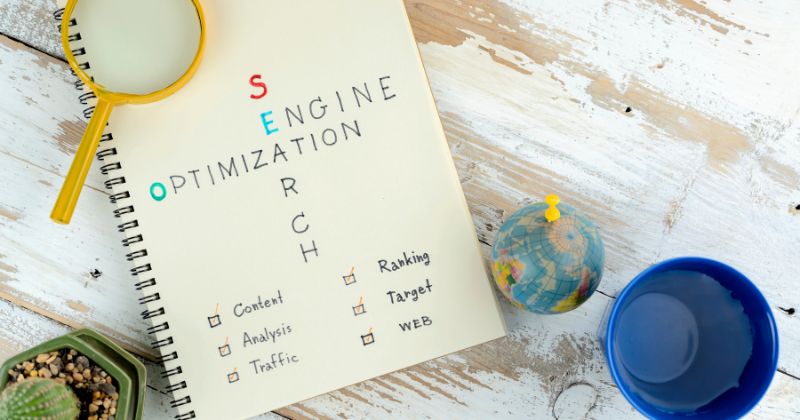
On-page SEO and off-page SEO are two key parts of your SEO strategy. Think of on page SEO as everything you do on your website to help it rank higher in search results. This includes using the right keywords, ensuring your website loads quickly, and having good content. It’s all about making your website user-friendly and informative.
On the other hand, off page SEO is about what happens outside your website. It’s mostly about linking other websites to yours, known as backlinks. This helps because search engines see backlinks as a sign that your site is valuable and trustworthy. Off-page SEO also includes things like social media marketing and influencer outreach.
Both on-page and off-page SEO are important. On-page SEO makes your site better for visitors and search engines. Off-page SEO helps increase your site’s authority and reputation.

What is Content Quality, and How Does it Affect SEO?
High-quality content is super important for SEO. Your content must not only be informative but also engaging and well-crafted. Quality content keeps visitors on your website for longer durations and entices them to return, sending a strong signal to search engines about your website’s value, thereby improving your rankings.
To create SEO-friendly content, understand what your audience needs and wants to know. Write clearly and engagingly, and make sure your content answers your audience’s questions.
Use headings and short paragraphs to make it easy to read. And don’t forget to use keywords naturally in your text.
What are Backlinks, and How Do They Impact SEO?
Backlinks, or inbound or incoming links, are hyperlinks from external websites leading to your website. Think of them as a vote of confidence from one site to another. They signal to search engines that your content is valuable and worth sharing.
When it comes to backlinks, quality prevails over quantity. Having a few high-quality links from reputable websites holds more weight than numerous links from low-quality sources.
Building backlinks can be achieved by creating exceptional content that naturally attracts sharing, reaching out to other websites for link collaborations, and actively participating in your online community. It’s essential to keep in mind that quality backlinks can significantly enhance your SEO efforts.

How Can I Optimise My Website’s Loading Speed?
Website loading speed is a game-changer in SEO. Fast-loading sites rank better on search engines like Google as they enhance user experience.
If your site is slow, visitors might leave before it fully loads, increasing your bounce rate and negatively impacting your SEO. Here are some tips to speed up your website:
- Compress Images: Large images can cause your site to load slowly. Utilise tools that can compress these images while preserving their quality.
- Minimise Code: Remove unnecessary spaces, characters, and comments from your HTML, CSS, and JavaScript.
- Use Browser Caching: This stores parts of your site on visitors’ devices so it loads faster the next time they visit.
- Improve Server Response Time: Choose a reliable hosting service and consider a content delivery network (CDN) to distribute your content more efficiently.

Is Mobile Optimisation Crucial for SEO?
Yes, mobile optimisation is essential for SEO. With the increasing use of smartphones for internet browsing, search engines prioritise mobile-friendly websites.
So, search engines rank mobile-friendly websites higher. To make your website mobile-friendly:
- Responsive Design: Ensure your site adjusts its layout for different screen sizes.
- Fast Loading Speed: Mobile users expect quick loading times. Follow the tips mentioned earlier to improve speed.
- Easy Navigation: Make sure navigating your site on a small screen is easy. Large buttons and readable fonts help.

What is SEO Analytics, and How Can I Use Them?
SEO analytics involves tracking and analysing your website’s performance in search engines. It helps you understand how well your SEO strategies are working.
Tools like Google Analytics and SEMrush are excellent for these purposes, offering insights that can guide your SEO strategy. To use SEO analytics effectively:
- Monitor Keyword Rankings: Use tools to track where your site ranks in search results for specific keywords.
- Analyse Web Traffic: Examine metrics such as visitor count, traffic sources, and user behaviour on your site.
- Evaluate Backlink Quality: Evaluate the calibre and pertinence of websites linking to your own.

What is Local SEO, and How Can I Optimise for It?
Local SEO is optimising your online presence to attract more business from relevant local searches. It’s crucial for businesses targeting specific geographic areas or with physical locations.
Here are 4 strategies for local SEO success:
- Optimise for Google My Business: Create and regularly update your Google My Business profile. This is key for visibility in local search results and Google Maps.
- Incorporate Local Keywords: Use location-specific keywords in your website’s content and metadata.
- Encourage Customer Reviews: Positive reviews boost your visibility and credibility in local search results.
- Ensure Consistent Local Listings: List your business in local directories and maintain consistency in your business name, address, and phone number across all platforms.
Bonus Tip: Local SEO is not just about being found; it’s about connecting with your community and standing out in your local market. Remember, the more visible and reputable you are local, the more likely you attract and retain local customers.

How Do I Stay Updated with SEO Trends and Algorithm Changes?
SEO algorithms are always changing. You must keep up with the latest trends and updates to stay on top. Google’s core updates often shift the SEO landscape, so understanding these changes is key.
Here are some of my best practices to stay informed:
- Follow SEO News Sites: Websites like Search Engine Journal and Moz Blog offer the latest SEO news and insights.
- Use Google’s Resources: Google Search Central Blog provides updates directly from Google.
- Join Online Communities: Forums and social media groups can be great places to learn from other SEO professionals.
- Attend Webinars and Conferences: These can provide deeper insights into the latest trends and data.

Are There SEO Tools I Should Be Using?
Yes, there are several essential SEO tools that beginners should consider:
- Google Analytics: This tool is invaluable for tracking website traffic. It helps you understand user behaviour and preferences, allowing you to tailor your content and structure accordingly.
- Google Search Console: This tool provides insights into how Google views your site. It’s essential for identifying issues that might affect your search performance, like crawl errors or security issues.
- SEMrush: A versatile tool that provides features such as keyword research, site audits, and competitor analysis. It proves invaluable for gaining insights into your market positioning and pinpointing opportunities for enhancement.
- Moz Pro: This tool is known for its robust keyword research and link-building capabilities. It also offers features to monitor the health of your site, ensuring it remains optimised for search engines.
- Ahrefs: Particularly strong in backlink analysis, Ahrefs helps you understand who is linking to you and how it impacts your SEO. It’s also useful for keyword research and tracking your ranking progress.
Each tool offers unique functionalities that can significantly enhance your ability to optimise your website and understand your SEO performance.

What Common SEO Mistakes Should I Avoid?
When starting with SEO, it’s easy to fall into certain traps. Here are some common SEO mistakes to avoid:
- Ignoring Mobile Optimisation: In today’s mobile-first world, having a mobile-friendly website is non-negotiable. Search engines favour sites that provide a good mobile user experience.
- Overusing Keywords: While keywords are essential, stuffing them into your content unnaturally can backfire. It’s important to use them strategically and in context.
- Neglecting Quality Content: The heart of good SEO is engaging, valuable content. Your content should answer your audience’s questions and keep them interested.
- Forgetting About Meta Descriptions and Title Tags: These elements are crucial as they provide a snapshot of your page’s content. Well-crafted meta descriptions and titles can improve click-through rates from search engine results pages.
By removing these common errors, you can lay a solid foundation for your SEO efforts and avoid setbacks in your journey to improve your site’s search engine ranking.

How Long Does It Take to See SEO Results?
Understanding the timeline for SEO results is crucial. Typically, it can take six months to a year to see significant changes. This duration depends on various factors:
- Competition in Your Niche: In highly competitive industries, progress may be slower due to the large number of players competing for top positions in search results.
- Age and Authority of Your Website: Newer websites may require more time to gain traction as they build authority and trust with search engines. Established websites with a strong online presence often see quicker results.
- Quality and Consistency of SEO Efforts: Regularly updating your site with high-quality content and staying committed to SEO best practices can significantly accelerate progress. Consistency is key.
- External Factors: Changes in search engine algorithms and shifts in market trends can also influence how quickly you see results. Adapting your SEO strategy to these external factors is essential to stay competitive.
Patience and persistence are key in SEO. It’s a gradual process that builds momentum over time. Consistent effort in optimising your site, creating quality content, and adhering to SEO best practices will eventually lead to improved search rankings and increased traffic.

What Is the Role of Social Media in SEO?
Social media and SEO, while distinct in the digital marketing world, are closely intertwined. Although social media signals don’t directly influence search engine rankings, your presence and activity on social media platforms can significantly boost your SEO efforts.
To combine these two digital marketing strategies effectively, here are five easy tips to implement correctly:
- Share Quality Content Regularly: Regularly post engaging, informative, and relevant content on your social media profiles. This will encourage shares, likes, and comments, ultimately expanding your content’s reach.
- Optimise Your Social Media Profiles: Make sure your profiles are complete and provide concise and clear information about your business, along with a link to your website.
- Encourage Social Sharing: Incorporate social sharing buttons within your website’s content, allowing visitors to share your content on their social media profiles easily.
- Engage with Your Audience: Be proactive in engaging with your followers. Respond to comments, participate in discussions, and create interactive content such as polls or Q&A sessions.
- Use Keywords in Your Posts: Incorporate relevant social media posts to enhance their discoverability.
Key Takeaways from Our SEO FAQs
From understanding the importance of SEO to the intricate workings of search engines, we’ve uncovered the essentials. Keywords, on-page and off-page SEO, content quality, and backlinks are pivotal aspects of your SEO journey.
We’ve also shed light on improving your website’s loading speed, the significance of mobile optimisation, and the guiding role of SEO analytics. Local SEO strategies provide a vital bridge to connect with your local audience effectively.
Staying ahead of the curve by keeping up with SEO trends and algorithm changes is imperative. Leveraging essential SEO tools can accelerate your journey to success.
What’s your next step after learning about SEO?
Take action now to enhance your online presence! Here at Ripcord Digital Marketing, we’re SEO experts you can trust, ready to assist you in your digital journey. Don’t hesitate – your online success is just a click away.
Here are Your Next Steps:
- Schedule a Website Audit: Obtain a live assessment of your website’s performance and receive personalised recommendations. Book your audit here.
- Take the SEO Scorecard Quiz: Evaluate your approach, track your performance, and uncover innovative ideas to dominate your market. Start the quiz now.
FAQs
What is SEO FAQS?
SEO FAQs, or frequently asked questions about SEO, are common queries and concerns about Search Engine Optimisation.
What Are the 3 Core Must-Haves of SEO?
- On-Page SEO: This involves optimising elements on your website, such as content, keywords, headings, and meta tags, to make it more search engine-friendly.
- Technical SEO (Tech SEO): This focuses on the technical aspects of your website, ensuring it’s accessible to search engines. It includes site speed, mobile-friendliness, and structured data.
- Off-Page SEO: Off-page SEO is about building your website’s authority and reputation through link building and social media marketing.
Are FAQ Sections Good for SEO?
Yes, FAQ sections are beneficial for SEO. They provide valuable content that answers specific questions, which can attract organic traffic and improve your website’s visibility in search results.
How Important Is SEO?
SEO is incredibly important for businesses and websites. It helps improve your online visibility, attract organic traffic, and build trust with your audience. Without SEO, it’s challenging to compete effectively in the digital landscape.
Why Is SEO Important for Small Businesses?
For small businesses, SEO presents a budget-friendly means to rival larger competitors. It enables you to expand your reach to a broader audience, boost brand recognition, and attract more potential customers to your website.
What Are the Effects of Not Having SEO?
Not having SEO can result in poor online visibility, so your website won’t appear in search results. This leads to missed opportunities, lower website traffic, and reduced chances of reaching your target audience. Ultimately, it can hinder your business’s growth and success in the digital age.
[/et_pb_text][/et_pb_column] [/et_pb_row] [/et_pb_section]